

Posted by Don Smith on 3rd Apr 2026
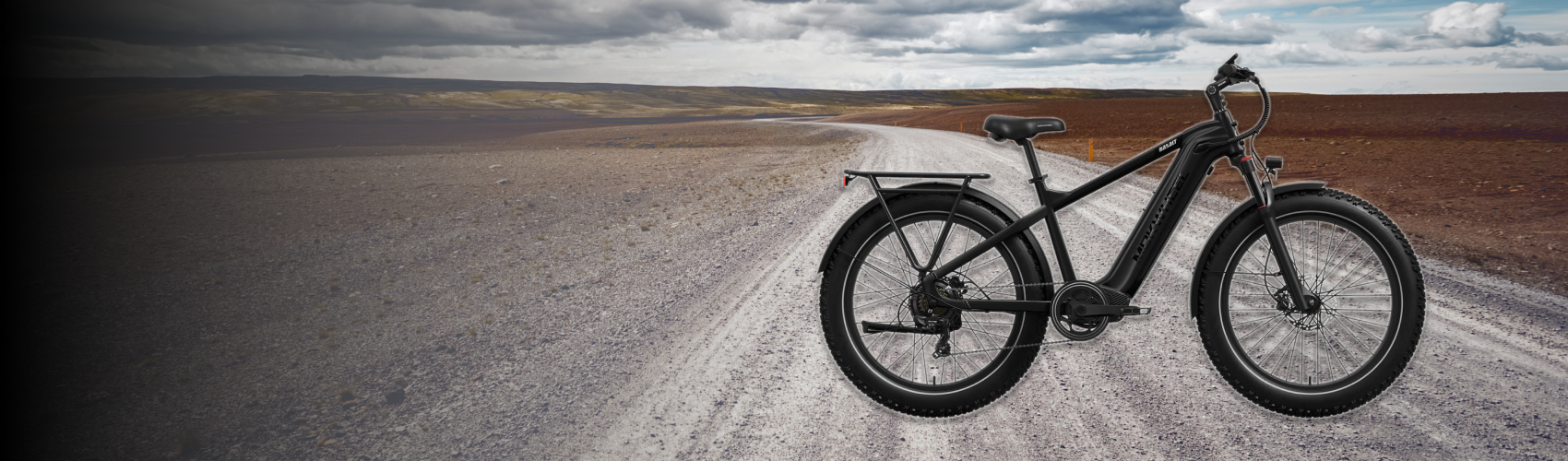
Electric bikes have evolved far beyond simple commuter tools. Today’s e-bikes power outdoor adventures, handle rugged trails, cruise across beaches, and even support daily work on farms or large properties.
With so many models now available, choosing the right one can feel a bit overwhelming. The key is finding a bike that matches how and where you plan to ride.
From trail exploration to property management, different riding environments require different features. Motor power, battery range, tire design, and cargo capability all play an important role in performance.
In this electric bike buying guide, we will walk you through the essential factors so you can confidently choose an electric bike that truly fits your riding needs.
How to Choose an Electric Bike for Your Needs
Not all electric bikes are built the same, and the best one for you depends on how you plan to ride. Understanding key factors like range, comfort, and usage helps you make a smarter, more confident decision.
Finding the perfect electric bike comes down to three essentials:
- Where You Ride: Choose an e-bike suited for your terrain, whether rough trails, smooth city streets, or mixed surfaces.
- How Far You Ride: Consider your daily or weekend distance to ensure the battery range meets your real-world needs.
- What You Carry: Factor in passengers, cargo, or gear, as heavier loads affect performance, handling, and battery efficiency.
Once you’ve considered terrain, distance, and cargo, it’s time to dive deeper. Let’s explore the first key step to choosing your perfect electric bike.
Step 1: Identify How You Plan to Use Your Electric Bike
Your riding environment determines the motor power, tires, and features you will need. Knowing how to choose an electric bike starts with identifying whether you need it for outdoor adventures or everyday work tasks.
Adventure and Outdoor Riding
If you plan to ride on mountain trails, beaches, snow, or sand, an adventure-focused e-bike is the right choice. These bikes are designed for stability, traction, and power across rough terrain.
Look for features such as:
- Fat tires for a strong grip on sand, snow, gravel, and trails
- 750W+ motor power for hills and rugged terrain
- Long battery range for extended outdoor rides
- Front suspension for better comfort on rough paths
Examples: MokWheel Basalt and MokWheel Obsidian.
Work, Farms, and Utility Tasks
For farms, ranches, property management, or cargo transportation, durability and reliability are more important than trail performance. A utility electric bike is built to handle daily tasks across uneven ground.
Key features to consider:
- Strong frame construction for regular heavy-duty use
- High-traction tires for dirt roads and gravel paths
- Cargo capacity with racks, mounts, or towing capability
- Stable handling when carrying tools or equipment
Example: Ubco 2x2 Work Bike
Step 2: Choose the Right Motor Power
Motor power plays a major role in how an electric bike performs in real riding conditions. When deciding on an electric bike, the motor should match the terrain and workload you expect. Too little power can make climbing hills or riding off-road difficult, while the right motor ensures smoother performance and better control.
Here’s a simple overview to help guide your decision:
| Motor Power | Best For |
| 250W–500W | Light commuting on flat terrain |
| 750W | Trails, hills, and off-road riding |
| Dual Motors | Heavy-duty work and maximum traction |
For riders exploring trails or rugged terrain, 750W motors are often the ideal balance of power and efficiency. They provide the torque needed for climbing hills and navigating uneven ground.
Adventure bikes like the MokWheel Basalt use a 750W motor to deliver reliable performance across challenging terrain.
If your e-bike will be used for demanding work environments or heavy loads, a dual-motor electric bike can provide better traction and stability, especially on loose dirt, gravel, or steep ground.
Step 3: Consider Battery Capacity and Real-World Range
Battery capacity, measured in watt-hours (Wh), determines how far an electric bike can travel on a single charge. When deciding on an electric bike, it’s important to understand that real-world range can vary.
Factors such as terrain, rider weight, assist level, and tire resistance all affect how quickly the battery is used. That’s why advertised range numbers should be treated as estimates rather than guarantees.
Here’s a general range guide based on common e-bike types:
| Bike Type | Average Range |
| Adventure Fat-Tire Electric Bikes | 40–80 miles per charge |
| Utility Electric Bikes | Up to ~75 miles |
For riders searching for the best electric bike for trails, battery range becomes especially important. Trail rides and outdoor exploration often take place far from charging points, so a larger battery capacity can provide the confidence to ride longer distances without worrying about running out of power.
Step 4: Understanding Electric Bike Tires for Different Terrain
Tires play a major role in how an electric bike performs across different surfaces. Selection of the right tire type helps ensure better traction, stability, and control in the environment where you plan to ride.
Fat Tires - For Adventure Riding
Fat tires are designed for riders who plan to explore trails and unpredictable terrain. Their wider surface area improves grip and balance, making them ideal for off-road conditions. This is why most riders who are looking for the best electric bike for trails often choose models with fat tires.
Key advantages include:
- Better traction on sand, snow, gravel, and loose dirt
- Greater stability on uneven terrain
- Lower tire pressure for improved comfort on rough trails
- Better control when riding off-road
Fat tires are a defining feature of adventure e-bikes that were built for outdoor exploration.
Utility Tires - For Work Environments
For farms, ranches, and property management, durability becomes more important than trail performance. Utility e-bikes use tires designed to handle regular use across rough ground.
Important features include:
- Reinforced sidewalls for long-term durability
- Deep tread patterns for grip on dirt and gravel
- Stable handling when carrying tools or equipment
Choosing tires that match your terrain helps ensure your electric bike performs reliably in real-world conditions.
Step 5: Evaluate Frame Design and Comfort
Frame design has a direct impact on comfort, control, and everyday usability. The frame style should match your riding environment and how frequently you need to mount or dismount the bike. The right frame improves stability and makes long rides more comfortable.
Below are the two most common frame styles:
- Step-Through Frame: Features a lower crossbar that makes getting on and off the bike easier. This design is ideal for riders who frequently stop during the day, such as those using an e-bike for property management or farm work.
- Step-Over Frame: Includes a traditional top tube that creates a more rigid structure. This style is often preferred for trail riding because it provides better control and stability on uneven terrain.
Many adventure bikes highlighted in a fat-tire electric bike guide also combine wide tires with a front suspension fork. This setup helps absorb bumps and trail vibrations, creating a smoother ride across rough trails without the added complexity of full suspension.
Step 6: Consider Weight Capacity and Utility Features
If you plan to use your e-bike for work, cargo capability becomes an important factor. Riders using a utility electric bike for farms, ranches, or property management often need to carry tools, equipment, or supplies. Choosing a bike designed for load-bearing tasks ensures better stability and long-term durability.
When evaluating cargo capability, look for features such as:
- Rear racks for carrying panniers, gear, or tools
- Cargo mounts that support additional accessories or larger loads
- Strong frame construction built to handle daily weight and rough terrain
- Towing capability for small trailers or equipment
Utility-focused models like the Ubco 2×2 are designed specifically for demanding environments. With a dual-motor all-wheel-drive system, they help maintain traction and stability even when carrying heavier loads across uneven terrain.
Step 7: Define Your Budget
Budget is an important factor when deciding on an electric bike. The price of an e-bike usually reflects its motor power, battery capacity, and overall durability. Riders should focus on value and long-term performance rather than just the lowest price.
Here’s a general guide to common price ranges:
| Price Range | Type | What You Get |
| $1,500 – $2,500 | Adventure Fat-Tire Electric Bikes | Powerful motor, reliable battery range, and traction suited for trails and outdoor riding. |
| $3,500 – $6,500 | Heavy-Duty Utility Electric Bikes | Dual motors, larger battery capacity, and cargo-ready frames built for demanding work environments. |
Higher-end electric bikes often provide better range, stronger motors, and more durable components. For riders using an e-bike for work or property management, investing in a reliable platform can help reduce downtime and maintenance costs over time.
Best Electric Bikes Based on Riding Needs
After understanding the key factors in this electric bike buying guide, the next step is choosing a model that fits how you plan to ride. Different riders prioritize different features, whether it’s off-road capability, trail performance, or work-ready durability. Here are some recommended options based on common riding needs.
MokWheel Basalt: Best for Outdoor Adventures
The MokWheel Basalt is designed for riders who want a reliable bike for exploring beyond paved paths.
With a powerful 750W motor, fat-tire traction, and a long battery life, it handles sand, snow, gravel, and uneven trails with ease. It’s a strong choice for riders who want an adventure-ready e-bike capable of supporting long outdoor rides.
MokWheel Obsidian: Best for Trail Riding
The MokWheel Obsidian is built for riders who regularly tackle rugged terrain. Its design focuses on stability, grip, and control, making it a great option for challenging trails and backcountry paths.
For riders looking for the best electric bike for trails, the Obsidian offers the balance of power and traction needed for confident off-road riding.
Ubco 2x2 Work Bike: Best for Work and Property Management
The Ubco 2×2 Work Bike is a purpose-built utility electric bike designed for demanding work environments.
With a dual-motor, all-wheel drive, strong cargo capability, and durable construction, it performs reliably on farms, ranches, and large properties where traction and load capacity are essential.
Find the Right Electric Bike from a Trusted Retailer
Choosing where to buy your e-bike matters just as much as choosing the bike itself. A trusted retailer can help you compare models, understand key features, and select a bike that fits your riding environment and performance expectations.
At Rotation Wheels, we focus on electric bikes built for real-world use, from rugged trails and outdoor adventures to farms and large properties. Explore our selection to find the right model, or contact our team for expert guidance if you need help choosing the best electric bike for your needs.
Frequently Asked Questions (FAQs)
How do electric bikes handle different weather conditions?
Most modern electric bikes are built to handle rain, mud, and light snow. Look for water-resistant motors and batteries, sealed wiring, and durable tires to ensure safe performance in wet or slippery conditions. Proper maintenance extends the life of components when riding in harsh weather.
Can I upgrade my electric bike later?
Yes, many e-bikes allow upgrades. Riders can swap batteries for higher capacity, upgrade tires for specific terrain, or add cargo racks and accessories. Choosing a bike with modular parts increases flexibility for changing riding needs over time.
How does rider weight affect electric bike performance?
Heavier riders may experience reduced range and slower acceleration if the motor or battery is undersized. Selecting a bike with appropriate motor wattage and battery capacity ensures consistent performance, whether for trails, commuting, or utility tasks.
What safety features should I look for on an electric bike?
Key safety features include reliable disc brakes, front and rear lights, reflective tires or decals, and integrated motor cut-off sensors. For off-road or utility use, a sturdy frame and wide tires also enhance stability and reduce the risk of accidents.
How do I maintain my electric bike for long-term reliability?
Routine maintenance includes cleaning the drivetrain, checking tire pressure, and keeping the battery charged correctly. For utility or adventure bikes, inspect suspension and cargo mounts regularly. Proper care ensures consistent performance, reduces repair costs, and extends the bike’s lifespan.
Is a 750W motor always better for trails?
Not always. A 750W motor provides extra power for steep climbs, rough terrain, or carrying heavier loads. However, smaller motors can be sufficient for moderate trails, offering better battery efficiency, lighter handling, and easier maneuverability, especially for casual riders.
Do I need hydraulic disc brakes on an e-bike?
Hydraulic disc brakes deliver stronger, more reliable stopping power and better modulation, especially under heavy loads or wet conditions. While mechanical discs or rim brakes may suffice for lighter, slower rides, hydraulic systems enhance safety and control on challenging trails or utility bikes.
What should I prioritize for a utility e-bike used on farms or large properties?
Prioritize long battery life, high load capacity, and durable components. Comfortable seating, stable tires, and reliable brakes are essential for uneven terrain. Ease of maintenance and practical features like cargo racks or mounts also improve efficiency during long work sessions.